
Smart Contracts, Dumb Consequences? Legal Gaps in Code-Based Agreements
Smart contracts are often hailed as the future of agreements—self-executing pieces of code that automate transactions and eliminate the need for middlemen. Whether you’re transferring crypto, managing a DAO, or automating royalties through NFTs, smart contracts promise speed, efficiency, and trustless interaction. But here’s the catch: while these digital agreements can execute flawlessly, they exist in a legal gray area that traditional law isn’t always equipped to handle. As more people rely on smart contracts for serious business, it’s time to ask: what happens when something goes wrong?
Code Isn’t Law (Not Yet, Anyway)
The phrase “code is law” was coined to describe how blockchain systems enforce rules through programming rather than through traditional legal systems. But in reality, code can’t account for nuance, intent, or unforeseen consequences. If a smart contract has a bug, or if someone exploits it in a way the creator didn’t intend, the contract will still execute exactly as written. In a traditional legal contract, courts can interpret intent or rule against unfair terms. In the blockchain world, the code runs regardless, and that can lead to outcomes no one wants.
Legal Recognition Is Still Murky
While smart contracts are being discussed in legal circles and some jurisdictions have made strides in recognizing them (like Arizona or Tennessee in the U.S.), most countries still lack clear frameworks. That creates uncertainty: Is a smart contract legally binding? Can a dispute be taken to court? And if so, which court? When legal frameworks don’t keep pace with technology, people can be left without legal recourse—especially in cross-border transactions where jurisdiction is unclear.
Enforcement Isn’t Always Possible

Even if a smart contract is legally valid, enforcing it can be a nightmare. Blockchain transactions are irreversible and often anonymous, which makes recovering funds or reversing actions nearly impossible. Suppose a contract malfunctions or a party acts in bad faith—there’s no centralized authority to step in and fix things. Without legal mechanisms for enforcement, people are left to rely on informal community governance or social pressure, which doesn’t always work.
Bugs and Exploits Aren’t Always Fraud
One of the most infamous examples of smart contract failure is the 2016 DAO hack, where an attacker legally drained millions of dollars by exploiting a loophole in the code. According to the contract, everything went “according to plan”—but morally and practically, it was a disaster. Because smart contracts execute automatically, they often lack “escape hatches” for reversing harmful outcomes. And unless fraud or malicious intent can be proven (which is difficult when code executes exactly as written), victims are often left with no legal remedy.
Human Intent vs. Machine Execution
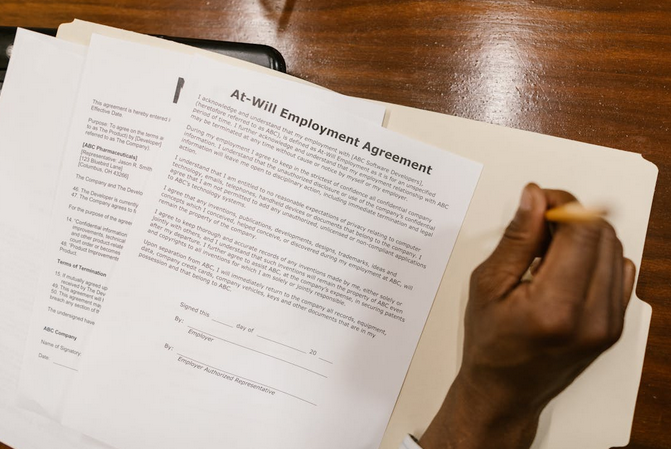
Smart contracts lack the capacity to interpret human intention. Traditional contracts often rely on principles like good faith, reasonableness, and equity—all of which are lost in the cold logic of computer code. This disconnect becomes a serious issue when disputes arise. What if one party misunderstood the contract? What if external factors made the agreement unfair or impossible to fulfill? In the world of smart contracts, there’s no clause for “unforeseen circumstances”—only inputs and outputs.
Smart contracts offer a glimpse into a more automated, decentralized future—but they’re not foolproof, and they’re certainly not above the law. As these technologies become more embedded in financial systems, legal structures must evolve to keep up. For now, anyone using smart contracts should proceed with caution, understanding both the power and the limitations of code-based agreements. After all, smart contracts may be unbreakable—but that doesn’t mean they’re unbreakably fair.