


Screenshots have become a normal part of everyday life. We screenshot text messages, social media posts, emails, online conversations, and pretty much anything else we might want to remember later. But what happens when a screenshot ends up in a courtroom? Can that quick image of a conversation actually be used as evidence against you? The short answer is: potentially, yes. But there’s much more to it than simply hitting the screenshot button.
A Screenshot Can Be Evidence
A screenshot can potentially be submitted as evidence in a legal case. Courts generally care about whether evidence is relevant and properly authenticated, rather than whether it is a screenshot. A picture showing a threatening message, an agreement, a social media post, or another digital interaction could therefore become part of a case. That doesn’t automatically mean the judge will accept it or give it much weight—the circumstances surrounding the screenshot matter.
Authenticity Is a Big Deal
One of the biggest questions is whether the screenshot is genuine. Digital images can be edited, cropped, rearranged, or taken completely out of context. If someone claims that a screenshot has been altered, the court may want additional evidence showing where it originated and whether it accurately reflects the original conversation. For example, a screenshot of a text message might be supported by the actual phone, the original message thread, witness testimony, or other digital records. The more reliable evidence available to establish authenticity, the stronger the screenshot may become.
Context Can Change Everything
Imagine receiving a message that says, “Fine, do it.” A screenshot containing only those three words could look very different depending on what came before and after it. Was the person agreeing to something? Being sarcastic? Responding to a completely unrelated question? That’s why a single screenshot may not tell the whole story. Lawyers and courts may look at surrounding messages, timestamps, other communications, and the circumstances in which the conversation happened. A cropped image can potentially create a very different impression from the complete exchange.

Social Media Posts Can Matter Too
Screenshots aren’t limited to private messages. Public social media posts can also be relevant in legal disputes. A person’s online comments, photos, videos, or posts might be presented to support or challenge someone’s version of events. Deleting a post afterward doesn’t necessarily make the underlying information disappear either. Other people may have saved or captured it, and platforms or third parties may retain records. However, whether a particular screenshot can be admitted and how much weight it receives depends on the specific case and applicable evidentiary rules.
Screenshots Aren’t Automatically Convincing
It’s easy to assume that if something looks real, a court will believe it. That’s not necessarily how things work. Evidence can be admitted and still receive little weight if there are questions about its reliability. A screenshot might show what appears to be a genuine conversation, but competing evidence could tell a different story. Someone might argue that the image was manipulated, that the account wasn’t controlled by the person in question, or that important information was omitted. Courts ultimately evaluate evidence in context rather than simply counting screenshots as proof.
What Happens If Someone Screenshots Your Messages?
If you’re involved in a legal dispute, don’t assume that private digital conversations are automatically off-limits. Messages can potentially become relevant evidence, depending on the circumstances and the laws governing the case. If you think certain messages could become important to a dispute, avoid deleting or altering them. Preserve the original information where possible and speak with a qualified lawyer about your specific situation. Evidence rules can vary significantly depending on the jurisdiction and type of case.
So, can a screenshot really be used against you in court? Yes, it can potentially be used as evidence—but a screenshot isn’t automatically a guaranteed win for whoever presents it. Authenticity, relevance, context, and the circumstances surrounding the digital record can all …

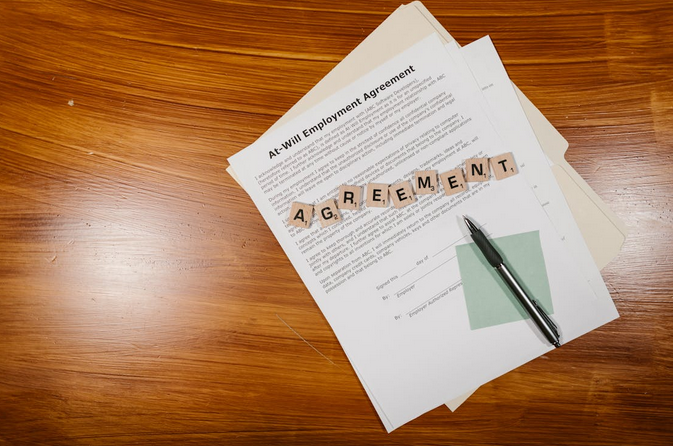
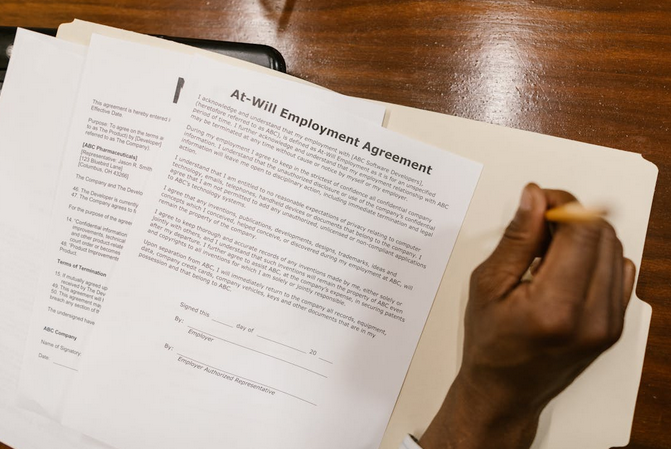

 A will is a legal document that outlines how your assets will be distributed after your death. It serves as a blueprint for managing your estate, ensuring that your wishes are honored. Creating a will is crucial for anyone with belongings or dependents. Without one, the state decides how to distribute your assets, which may not align with your desires. Moreover, having a will can help minimize family disputes during an already difficult time. It provides clarity and direction, reducing uncertainty over who gets what. In addition to asset distribution, wills often name guardians for minor children. This decision protects their future and ensures they are cared for by someone you trust.
 Many people believe estate planning is only for the wealthy. This misconception can lead to missed opportunities for families of all income levels. Everyone has assets, and protecting them should be a priority. Another common myth is that wills and trusts are interchangeable. While both serve important functions, they address different needs and goals in your estate plan. Some individuals think they can handle everything on their own by using online templates. However, these one-size-fits-all solutions often overlook specific state laws or unique family situations.

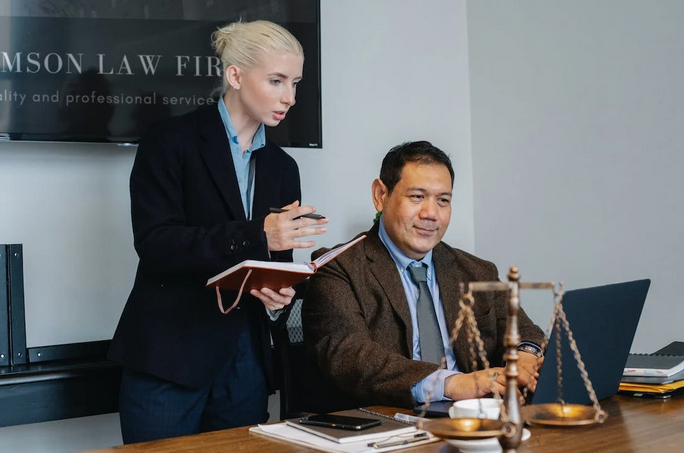 A qualified business lawyer is an invaluable source of knowledge. They are well-versed in the laws and regulations relevant to your industry, as well as those that impact your business on a daily basis. By hiring a seasoned legal professional, you can ensure you stay compliant with all applicable laws, helping to prevent any potential legal problems.
 One of the most important tasks that business lawyers help with is drafting contracts and agreements. These documents are legally binding, so it’s critical to ensure they’re air-tight and protect the interests of all involved parties. A good contract should also be as clear and concise as possible, which can be difficult if you’re unfamiliar with the legalities involved.


 Unless you are a family lawyer, you lack the necessary knowledge of matrimonial law. Unfortunately, judges do not accord self-represented litigants any special treatment but subject them to the same standards as the other side’s attorneys. As such, if you do not understand the law, the required documents, or the procedures, you may push the judge’s patients too far despite them being patient and reasonable professionals. That way, the judge may be less sympathetic with you.
 A broken marriage and the ensuing divorce case can make you suffer so much stress. Additionally, handling the case yourself can add to the pressure. However, a divorce lawyer will take all the case-related work and allow you time to focus on yourself and rebuild your life.…



 When you are referred to a lawyer, who can offer you the services that you need, ensure that you take your time to conduct some background checks online. You can start by looking them up on local state bar associations. Also, reputable and experienced lawyers have a website. By visiting their website, you can tell whether their business is legit or a scam. Read some of the reviews posted on their site before making your final remarks.
 A criminal past can be limiting in many ways; it can make it impossible getting a loan, adopting a child, getting a job, or getting an apartment to rent. As much as these limitations might be warranted in a way, they certainly should not be a part of yourself, especially because of a misdemeanor that happened decades ago.

 Do Extensive Research