Screenshots have become a normal part of everyday life. We screenshot text messages, social media posts, emails, online conversations, and pretty much anything else we might want to remember later. But what happens when a screenshot ends up in a courtroom? Can that quick image of a conversation actually be used as evidence against you? The short answer is: potentially, yes. But there’s much more to it than simply hitting the screenshot button.
A Screenshot Can Be Evidence
A screenshot can potentially be submitted as evidence in a legal case. Courts generally care about whether evidence is relevant and properly authenticated, rather than whether it is a screenshot. A picture showing a threatening message, an agreement, a social media post, or another digital interaction could therefore become part of a case. That doesn’t automatically mean the judge will accept it or give it much weight—the circumstances surrounding the screenshot matter.
Authenticity Is a Big Deal
One of the biggest questions is whether the screenshot is genuine. Digital images can be edited, cropped, rearranged, or taken completely out of context. If someone claims that a screenshot has been altered, the court may want additional evidence showing where it originated and whether it accurately reflects the original conversation. For example, a screenshot of a text message might be supported by the actual phone, the original message thread, witness testimony, or other digital records. The more reliable evidence available to establish authenticity, the stronger the screenshot may become.
Context Can Change Everything
Imagine receiving a message that says, “Fine, do it.” A screenshot containing only those three words could look very different depending on what came before and after it. Was the person agreeing to something? Being sarcastic? Responding to a completely unrelated question? That’s why a single screenshot may not tell the whole story. Lawyers and courts may look at surrounding messages, timestamps, other communications, and the circumstances in which the conversation happened. A cropped image can potentially create a very different impression from the complete exchange.
Social Media Posts Can Matter Too
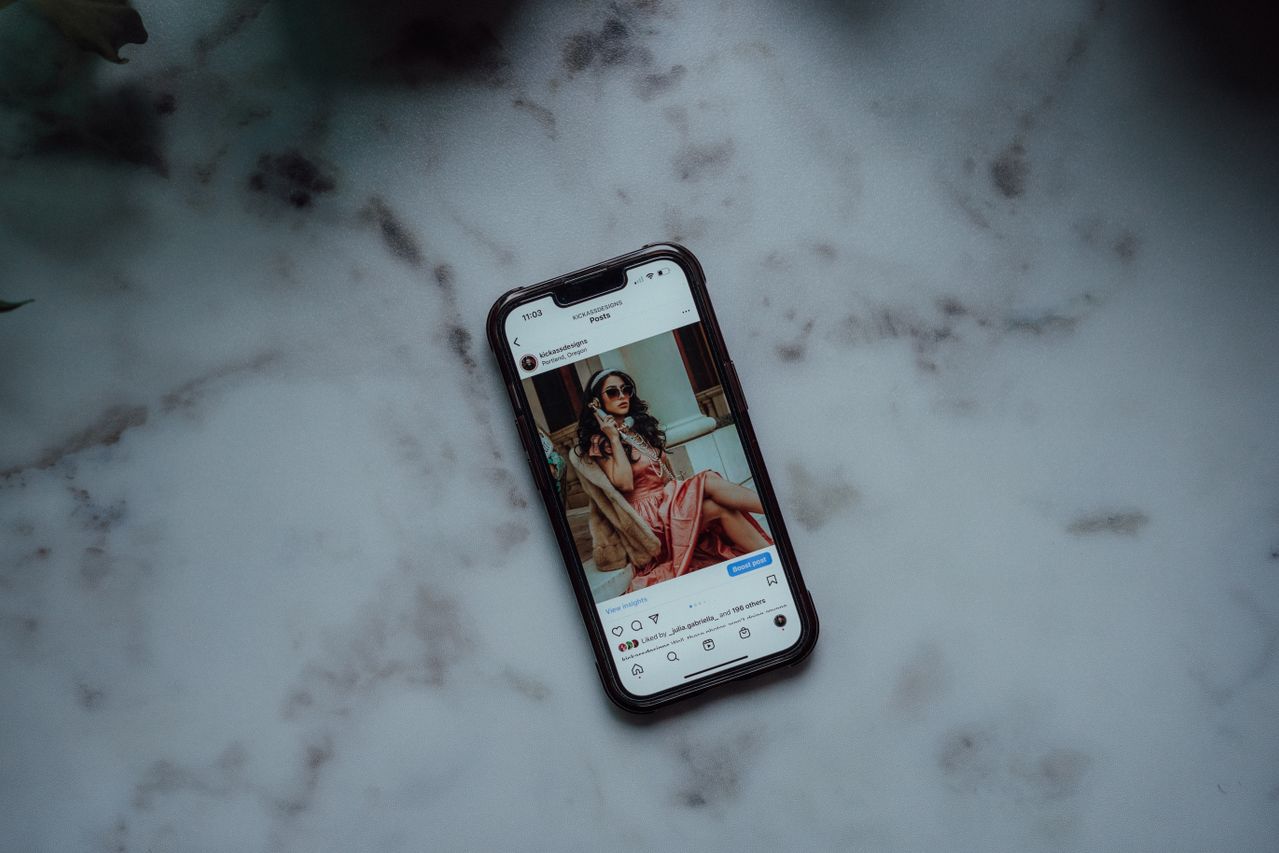
Screenshots aren’t limited to private messages. Public social media posts can also be relevant in legal disputes. A person’s online comments, photos, videos, or posts might be presented to support or challenge someone’s version of events. Deleting a post afterward doesn’t necessarily make the underlying information disappear either. Other people may have saved or captured it, and platforms or third parties may retain records. However, whether a particular screenshot can be admitted and how much weight it receives depends on the specific case and applicable evidentiary rules.
Screenshots Aren’t Automatically Convincing
It’s easy to assume that if something looks real, a court will believe it. That’s not necessarily how things work. Evidence can be admitted and still receive little weight if there are questions about its reliability. A screenshot might show what appears to be a genuine conversation, but competing evidence could tell a different story. Someone might argue that the image was manipulated, that the account wasn’t controlled by the person in question, or that important information was omitted. Courts ultimately evaluate evidence in context rather than simply counting screenshots as proof.
What Happens If Someone Screenshots Your Messages?
If you’re involved in a legal dispute, don’t assume that private digital conversations are automatically off-limits. Messages can potentially become relevant evidence, depending on the circumstances and the laws governing the case. If you think certain messages could become important to a dispute, avoid deleting or altering them. Preserve the original information where possible and speak with a qualified lawyer about your specific situation. Evidence rules can vary significantly depending on the jurisdiction and type of case.
So, can a screenshot really be used against you in court? Yes, it can potentially be used as evidence—but a screenshot isn’t automatically a guaranteed win for whoever presents it. Authenticity, relevance, context, and the circumstances surrounding the digital record can all matter. The bigger lesson is that online conversations aren’t necessarily as temporary or private as they feel. Before sending something you wouldn’t want explained in a courtroom, remember that someone else may be able to save it long after you thought the conversation was gone.